




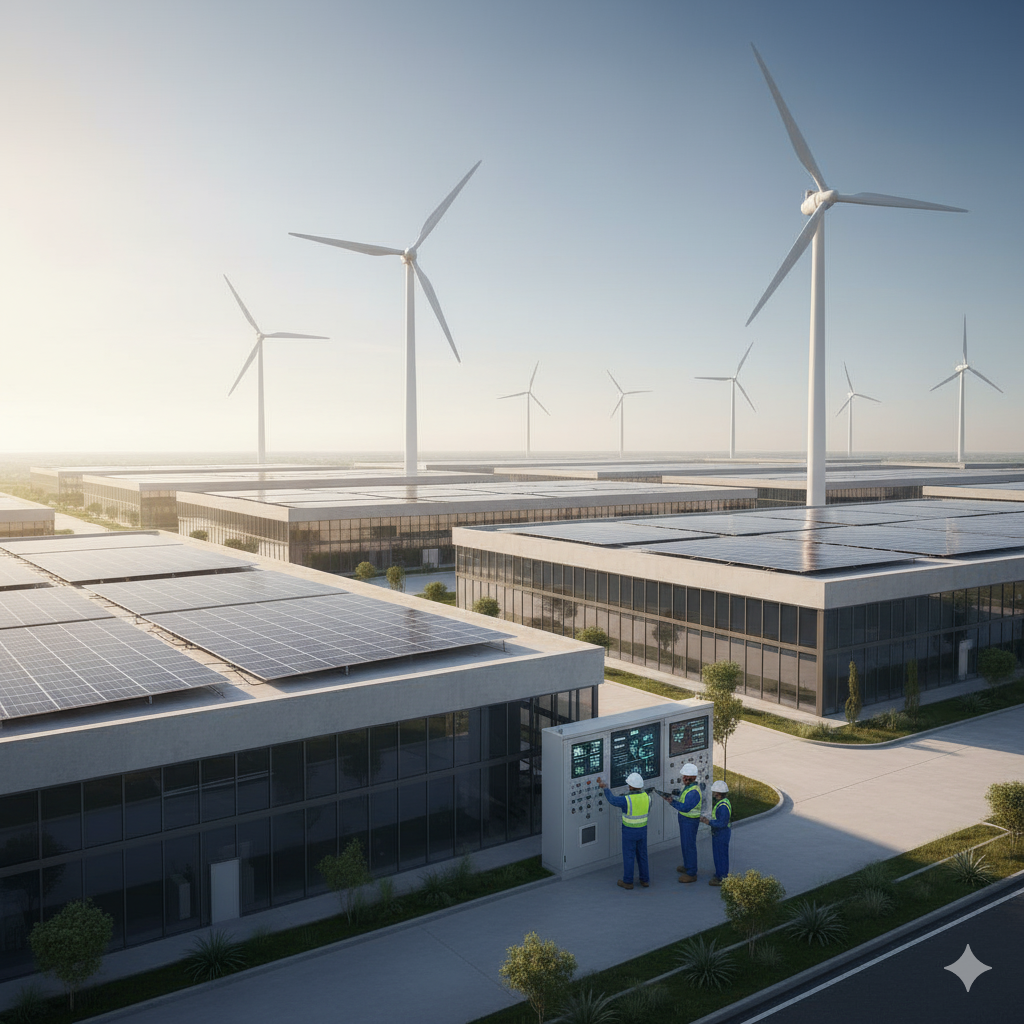
Imagine a factory floor humming with machines powered not by coal or diesel, but by the clean energy of the sun and wind. The air feels clearer, the bills are lower, and the future suddenly looks brighter. Across India, this is no longer a dream. It’s the new direction industries are heading toward through sustainable energy solutions.
The Shift From Conventional to Conscious Power
For decades, industries in India have relied on fossil fuels to keep their operations running. While this powered growth, it also led to rising emissions, soaring fuel costs, and unpredictable supply chains. Today, the tide is turning.
As climate change tightens its grip and energy prices fluctuate, industries are realizing that sustainability isn’t just a buzzword. It’s survival. Renewable energy is no longer just the “green option.” It’s the smart option — reliable, affordable, and forward-thinking.
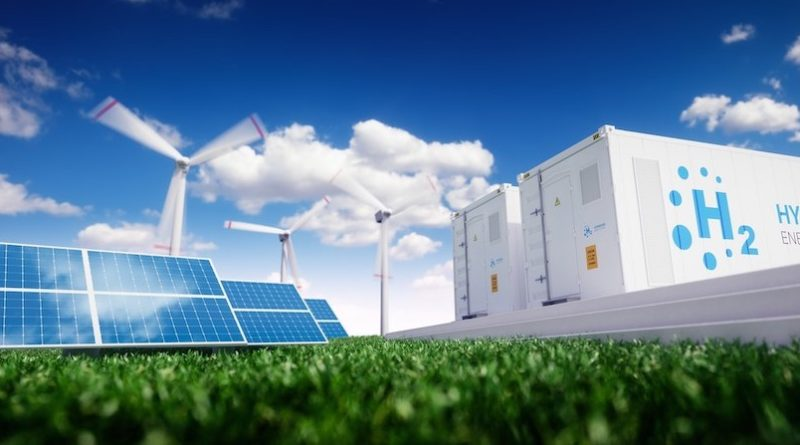
Why Industries Are Choosing Sustainable Energy Solutions
1. Cost Savings That Go Beyond the Numbers
Switching to solar, wind, or biomass energy might sound expensive at first. But over time, the savings are remarkable. Solar panels, once seen as a luxury, have become a common sight on factory rooftops from Pune to Chennai.
Take Tata Motors, for instance. By integrating solar power into its Pune plant, it now generates a significant portion of its energy from renewable sources, cutting both costs and emissions. That’s the kind of real-world success that proves clean energy can drive profits too.
2. Energy Independence and Reliability
Power cuts and fluctuating grid supply can bring an entire production line to a halt. Sustainable energy solutions provide independence from these challenges. Many industries are adopting hybrid systems — combining solar power with traditional grids or battery storage — to ensure round-the-clock energy supply.
Think of it as insurance against blackouts. When the sun shines, factories store energy; when it doesn’t, they still keep running smoothly.
3. Meeting Environmental Goals and Regulations
India has pledged to reach net-zero emissions by 2070, and industries are key players in that mission. Government policies now encourage cleaner production practices through incentives, tax benefits, and easier financing for renewable projects.
By adopting sustainable energy solutions, companies not only comply with regulations but also build stronger reputations with eco-conscious investors and customers.
The Ripple Effect: Jobs, Innovation, and Rural Growth
Sustainable energy isn’t just transforming how industries power themselves. It’s changing lives beyond factory walls.
The rise of solar and wind projects in states like Gujarat and Tamil Nadu has opened doors for local employment, skill development, and small-scale entrepreneurship. Villages that once struggled with power shortages are now supporting renewable energy infrastructure, becoming part of India’s green growth story.
This ripple effect shows that sustainable energy is not just an environmental decision. It’s a social and economic revolution.
Challenges on the Road Ahead
Transitioning to sustainable energy isn’t without hurdles. High upfront costs, limited awareness, and occasional technological gaps still slow adoption. But India’s momentum is growing fast. As equipment prices fall and financing options improve, even medium-sized manufacturers are making the switch.
Public-private partnerships and initiatives like Make in India are also driving innovation, ensuring that cleaner technologies are made locally and affordably.
The Future of Industrial Energy in India
Picture this: a nation where industrial parks run on solar microgrids, where electric furnaces replace diesel generators, and where every production unit leaves behind cleaner air than it found.
That’s not a fantasy anymore. It’s the direction India is heading in — and faster than most think. Sustainable energy solutions are not just reshaping industrial energy consumption; they’re redefining what growth means in the 21st century.
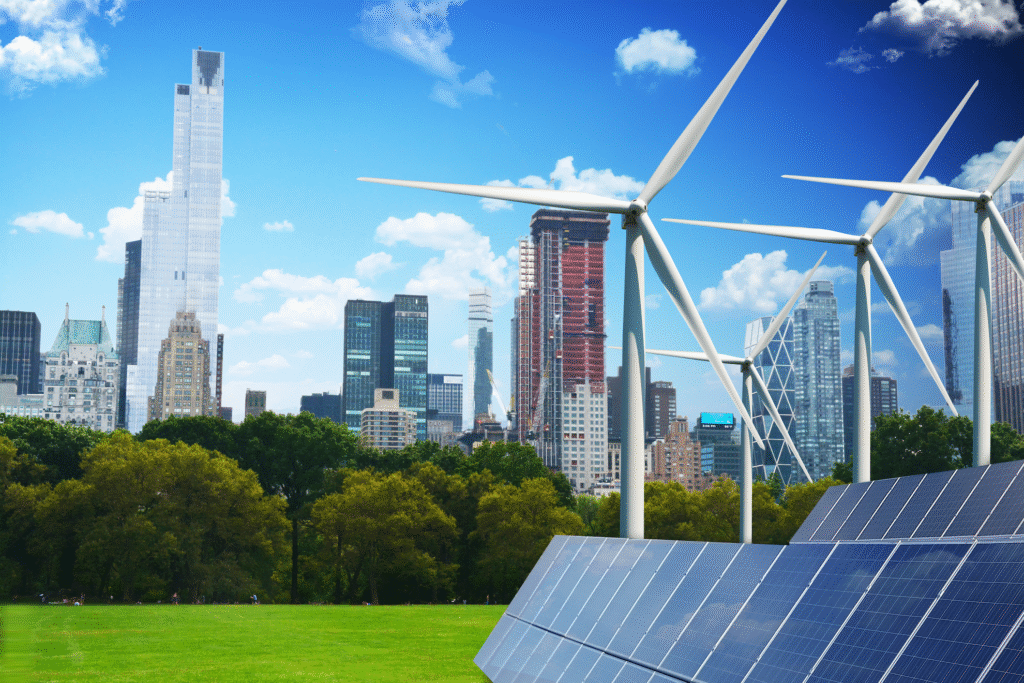
FAQs About Sustainable Energy Solutions in Industry
Q1: What are sustainable energy solutions for industries?
A: They include renewable energy sources like solar, wind, biomass, and hydropower, along with energy-efficient technologies such as smart grids and battery storage.
Q2: Are renewable energy systems affordable for small industries?
A: Yes, government subsidies and financing schemes like RESCO and CAPEX models make solar and wind installations more accessible for MSMEs.
Q3: How do sustainable energy solutions help reduce costs?
A: They reduce dependency on fossil fuels and grid power, leading to long-term savings on electricity bills and maintenance.
Q4: What is the payback period for installing renewable systems?
A: Most solar installations pay for themselves within 4–6 years, after which energy generation becomes virtually free.
Conclusion: Powering India’s Tomorrow
Sustainability isn’t just about protecting the planet. It’s about empowering industries to thrive in a world that demands smarter choices. By investing in sustainable energy solutions, Indian industries are proving that profit and purpose can go hand in hand.
