





Imagine walking through your neighborhood at night, the streets bathed in soft, reliable light. No flickering bulbs, no sudden power cuts. Just a steady, eco-friendly glow guiding your way. This is not a distant dream. It is becoming a reality in cities and villages across India thanks to solar street lights. But why are they considered one of the smartest investments for urban and rural areas alike? Let’s explore.
The Growing Need for Sustainable Street Lighting in India
India’s urban population is expanding rapidly, and with it, the demand for energy. Traditional street lighting systems are costly and contribute significantly to carbon emissions. In contrast, solar street lights offer a sustainable solution by harnessing the sun’s energy to illuminate streets without burdening the power grid.
How Solar Street Lights Work: A Simple Yet Effective Technology
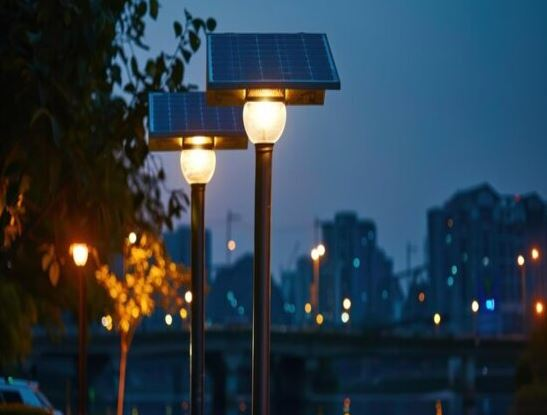
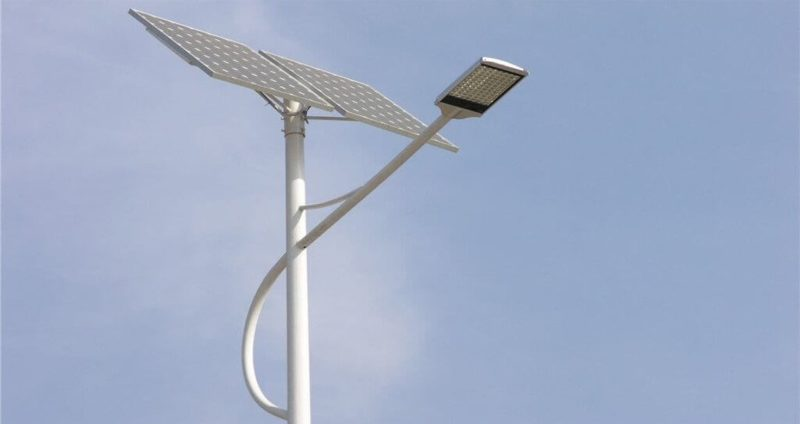
Solar street lights consist of photovoltaic panels that capture sunlight during the day and convert it into electricity stored in batteries. At night, this stored energy powers LED lamps, providing illumination without drawing from the electrical grid. This self-sustaining system reduces energy costs and reliance on non-renewable resources.
Environmental Benefits: Reducing Carbon Footprints
Switching to solar-powered lighting helps cities significantly reduce their carbon footprints. Solar street lights produce zero emissions during operation, contributing to cleaner air and a healthier environment. This aligns with India’s commitment to sustainable development and combating climate change.
Economic Advantages: Cost Savings and Energy Efficiency
While the initial investment in solar street lights may seem high, long-term savings are substantial. Reduced electricity bills, minimal maintenance costs, and the longevity of solar panels make this a cost-effective option for municipalities and local bodies.
Enhancing Safety and Security
Well-lit streets are safer streets. Solar street lights improve visibility, reducing accidents and deterring crime. In rural areas, they allow children to study after dark and enable women to move about more freely, improving quality of life.
Real-Life Success Stories from India
Lelibadi Village, Madhya Pradesh: Solar street lights made streets safer and allowed villagers to socialize and commute comfortably after sunset.
Trivandrum, Kerala: Replacement of conventional street lights with solar-powered LEDs improved safety and reduced energy costs.
Jaipur, Rajasthan: High-efficiency LED solar lights replaced old bulbs, saving energy and brightening city roads.
Modhera Village, Gujarat: Solar street lights contributed to making Modhera a 24×7 solar-powered village, enhancing rural infrastructure.
Aanamalai Tiger Reserve, Tamil Nadu: Solar-powered lights for homes and camps ensured uninterrupted lighting in remote areas.
Overcoming Common Challenges
Some areas have limited sunlight, but modern solar lights store enough energy to run for several nights without sun. Vandalism and theft are addressed through tamper-resistant designs and tracking systems, ensuring long-term reliability.
Future Outlook: Smart Cities and Solar Integration
Solar street lights can be integrated into smart city initiatives with sensors to monitor traffic, air quality, and energy usage. They are no longer just lights but essential components of connected urban ecosystems.
FAQs About Solar Street Lights in India
Q: How long do solar street lights last?
A: Typically, they last 10 to 25 years depending on battery and LED quality.
Q: Are solar lights effective in winter or cloudy days?
A: Modern batteries store enough energy for several nights, ensuring consistent illumination.
Q: What maintenance is required?
A: Periodic cleaning of panels and battery checks are usually sufficient.
Q: Can solar lights reduce city energy costs?
A: Yes, they significantly cut electricity bills while providing reliable lighting.
Q: Are there government schemes to support solar street lights?
A: Several central and state schemes provide subsidies and incentives to promote solar lighting adoption.
Conclusion: A Bright Future Ahead
Solar street lights are more than an investment in infrastructure. They are an investment in a safer, greener, and more sustainable future. Cities and villages gain improved safety, lower costs, and a reduced environmental footprint. Residents enjoy brighter, secure neighborhoods. Municipalities save money while contributing to a cleaner environment.
