




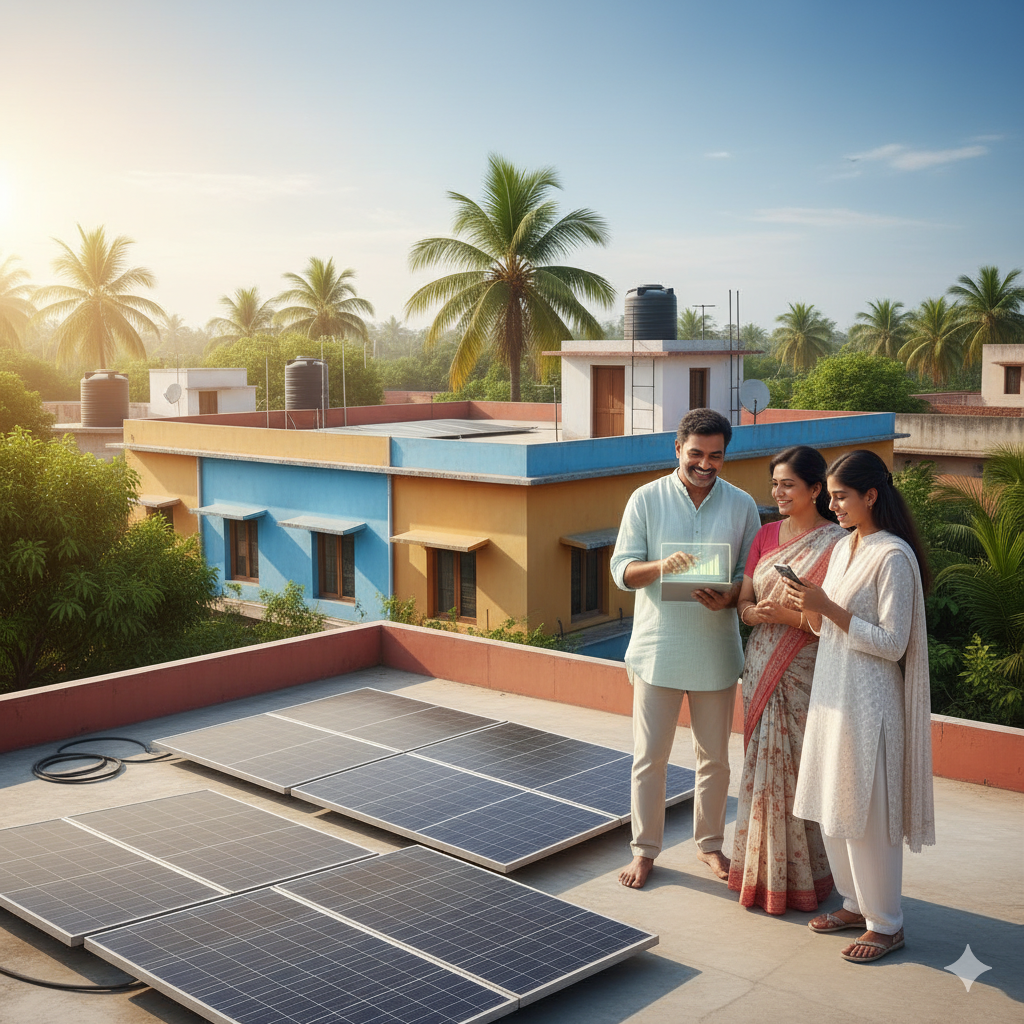
Imagine a world where your electricity bill drops to almost nothing. Where your home or office runs on free, clean energy straight from the sun. It sounds like something from a sci-fi movie, but solar panels are turning this vision into reality. If you have ever wondered how solar panels work, whether they are worth the investment, or what you should know before installing them, you are in the right place.
How Solar Panels Work: Harnessing the Sun’s Power
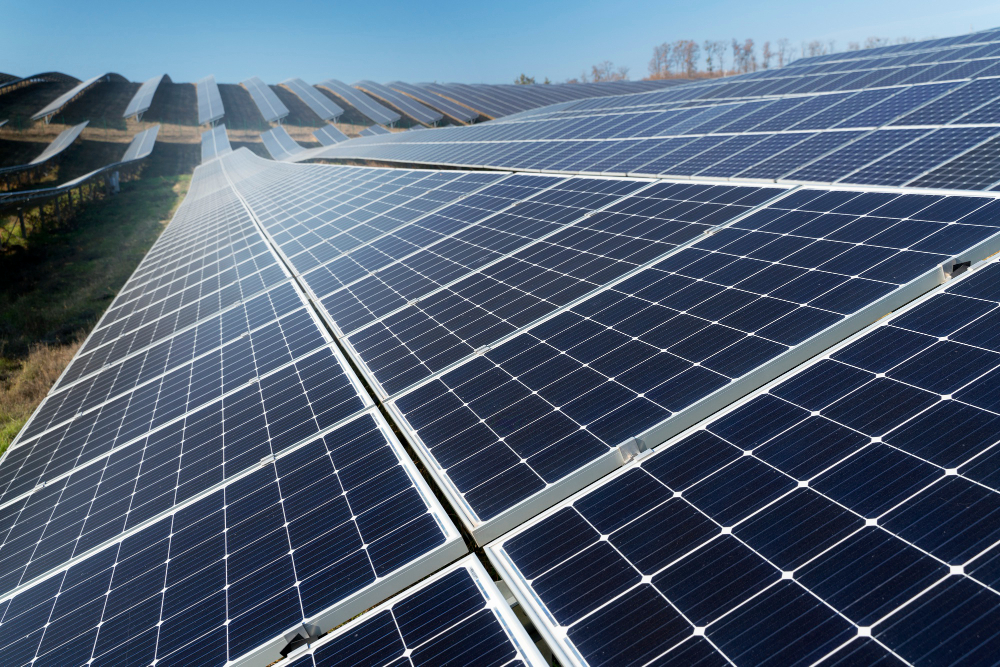
At their core, solar panels are like little energy factories perched on your roof. They absorb sunlight and convert it into electricity through photovoltaic (PV) cells. When sunlight hits these cells, electrons are knocked loose, creating a flow of electricity. That electricity can power your home, charge batteries, or even feed back into the grid.
Think of it this way. The sun is a giant battery in the sky and solar panels are your personal energy tap. The more sunlight you catch, the more energy you generate.
Benefits of Solar Panels: More Than Just Lower Bills
Cut Your Electricity Costs
One of the biggest reasons people invest in solar panels is money. Once installed, they can dramatically reduce or even eliminate your monthly electricity bills. Over time, these savings can add up to thousands of dollars. Imagine finally being free from unpredictable utility hikes.
Environmentally Friendly
Switching to solar is like giving your carbon footprint a makeover. Solar panels produce clean, renewable energy. That means no greenhouse gases, no pollution, and a smaller environmental impact. For eco-conscious homeowners, this is a win.
Energy Independence
Relying on fossil fuels means depending on fluctuating energy markets. Solar panels put control back in your hands. You generate your own electricity and protect yourself against rising energy costs.
Boost Your Property Value
Homes with solar panels often sell faster and at higher prices. Buyers know they are getting lower energy bills and a sustainable property. Think of solar panels as an upgrade that pays for itself over time.
Costs of Solar Panels: What You Should Expect
Yes, installing solar panels comes with an upfront cost. But prices have dropped significantly over the past decade. On average, homeowners can expect to pay between $10,000 and $25,000 for a complete system depending on size, quality, and installation.
Consider the long game. Most solar panels pay for themselves in 5 to 10 years through energy savings. After that, you are essentially generating free electricity for years to come. Some government incentives and tax rebates can also lower your upfront cost.
Factors That Affect Solar Panel Costs
- System Size: Larger homes need more panels and higher capacity, increasing costs.
- Panel Quality: Premium panels are more efficient but cost more upfront.
- Installation Complexity: Roof type and location can affect labor costs.
- Incentives and Rebates: Federal, state, or local programs can help reduce costs.
Real-Life Examples: Solar Panels in Action
In California, homeowners have reduced electricity bills by over 70 percent by switching to solar. In Arizona, small businesses installed rooftop panels and reported massive savings while gaining independence from the grid. Even in dense cities, apartment complexes are exploring community solar programs to share benefits among residents.
These examples show that solar panels are not just for big corporations or luxury homes. They are accessible, practical, and financially sensible for many homeowners and businesses.
Maintenance and Lifespan: Keeping Solar Panels Efficient
Solar panels are low-maintenance. Most systems require occasional cleaning to remove dust and debris. Modern panels are durable and often come with warranties of 20 to 25 years. The inverter, a key component that converts energy, might need replacement once in 10 to 15 years. With minimal upkeep, solar panels continue producing energy efficiently for decades.
Common Myths About Solar Panels
Many people hesitate to invest in solar panels because of misconceptions.
- Myth 1: Solar panels don’t work in cloudy regions. Reality: Panels still generate energy on cloudy days, though efficiency may drop slightly.
- Myth 2: Solar panels are expensive and not worth it. Reality: Costs have dropped, and long-term savings often outweigh the initial investment.
- Myth 3: Solar panels require constant maintenance. Reality: They are designed for minimal maintenance and long-term durability.
FAQs About Solar Panels
Q: How long do solar panels last?
A: Most solar panels last 20 to 25 years, with efficiency gradually decreasing over time.
Q: Can solar panels power my entire home?
A: Depending on system size and energy consumption, many households can fully rely on solar energy.
Q: Are solar panels effective in winter?
A: Yes, solar panels work year-round. Even indirect sunlight generates electricity.
Q: What incentives are available for installing solar panels?
A: Federal and state governments offer tax credits, rebates, and net metering programs to reduce upfront costs.
Q: Do solar panels increase home value?
A: Yes, homes with solar panels are more attractive to buyers and often sell faster.
Conclusion: Is It Time to Go Solar?
Solar panels are more than a trend. They are a smart investment for anyone looking to save money, reduce environmental impact, and gain energy independence. The sun provides an endless supply of energy, and modern technology makes it accessible for homeowners and businesses alike.
Imagine your home powered by sunlight, your electricity bills shrinking, and your contribution to a cleaner planet growing every day. Solar panels make this possible.
